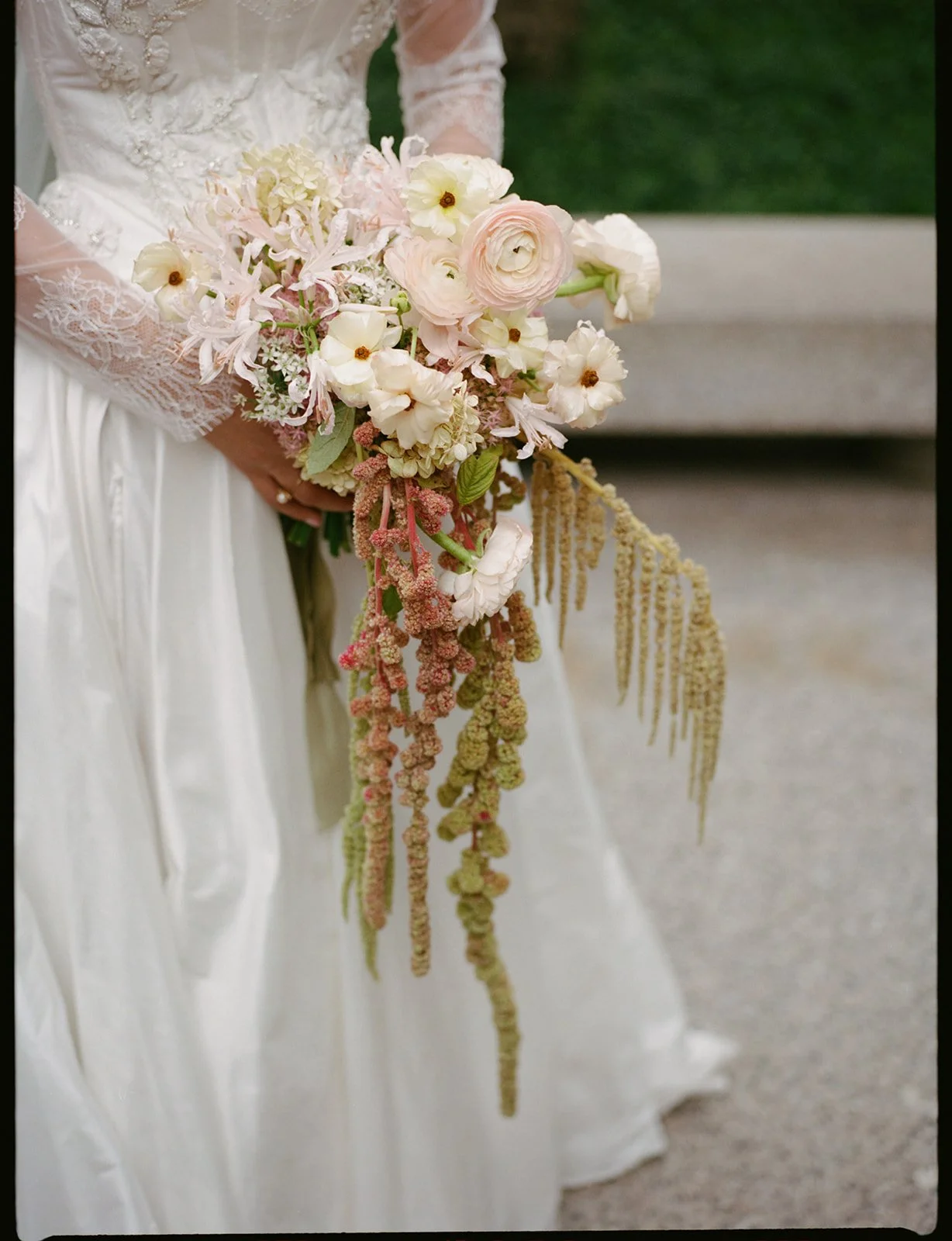
After years working with couples, creative professionals, and the luxury wedding community, I've seen recurring patterns that make wedding planning harder than it needs to be. These aren't just minor inconveniences — they're systemic issues affecting how couples budget, hire vendors, and ultimately experience their wedding day.
Whether you're planning a wedding or working in the industry, understanding these seven challenges will help you navigate the process with more clarity and less frustration.
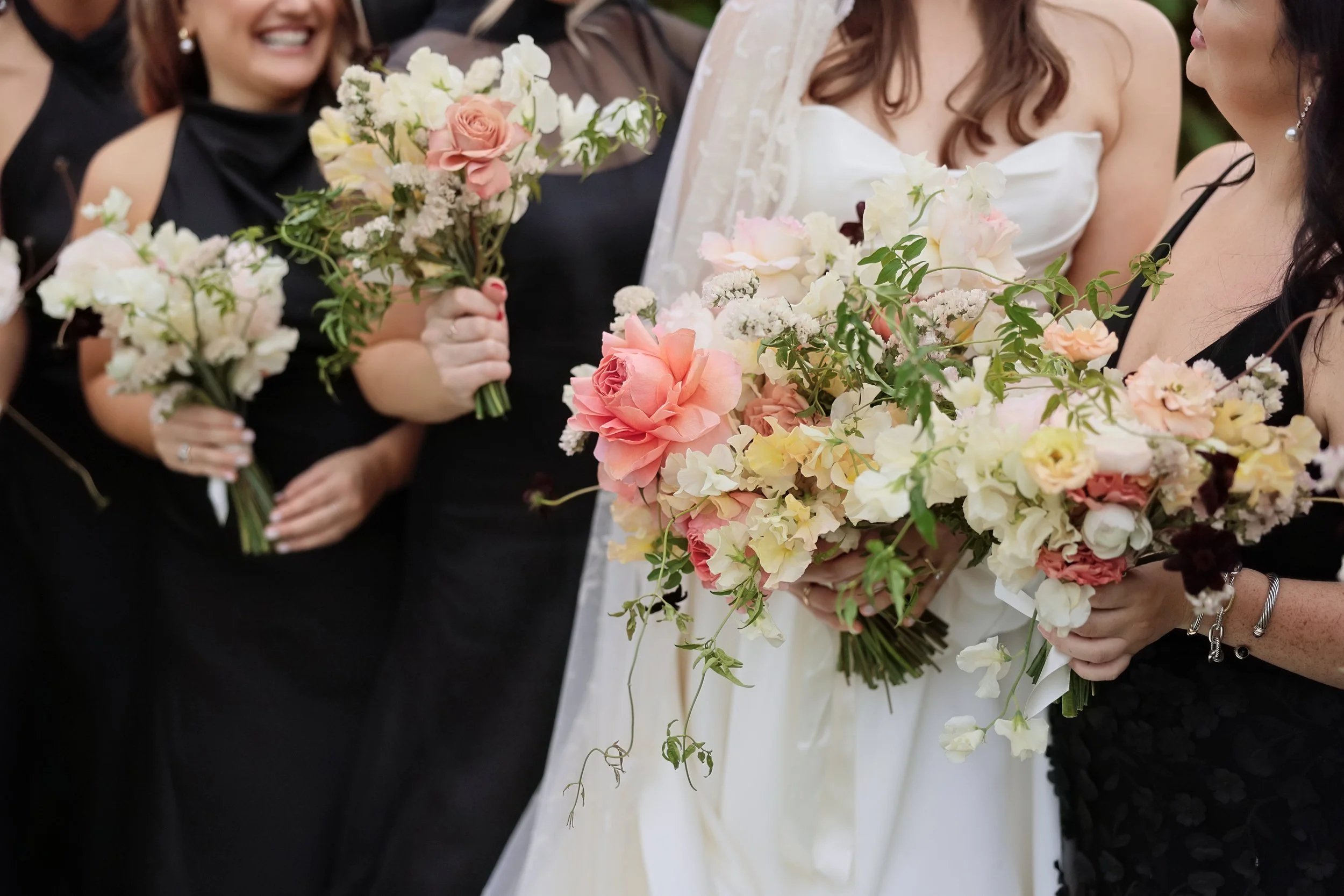
by Golden Hours
1. Wedding Pricing Transparency Is Almost Nonexistent
Couples consistently ask for pricing information upfront. Wedding vendors consistently avoid providing it. This creates a disconnect that breeds distrust on both sides.
I recently overheard a bride-to-be sharing her shock that a wedding planner she inquired about had doubled their rates since her friend's wedding the previous year. To industry professionals, this makes perfect sense — as demand increases and portfolios grow, so do prices. But to someone planning their first wedding? It feels arbitrary.
The truth is, couples have almost no frame of reference for what luxury wedding services actually cost. When social media shows $500,000 celebrity weddings and mainstream publications cite $38,000 as the 'average' wedding budget, a couple with $100,000 to spend assumes they'll achieve something close to what they've been scrolling through online. They won't. And no one prepares them for this reality before they start the planning process.
The result? Couples feel misled. Vendors feel misunderstood. And the gap keeps widening.
What This Means for Wedding Florists
As a luxury wedding florist, I've found that transparency actually builds trust faster than anything else. When couples understand why premium florals cost what they do — sourcing, conditioning, design time, labor, installation — they stop comparing you to the grocery store bouquet and start seeing the value. Hiding pricing only delays the inevitable conversation and wastes everyone's time.
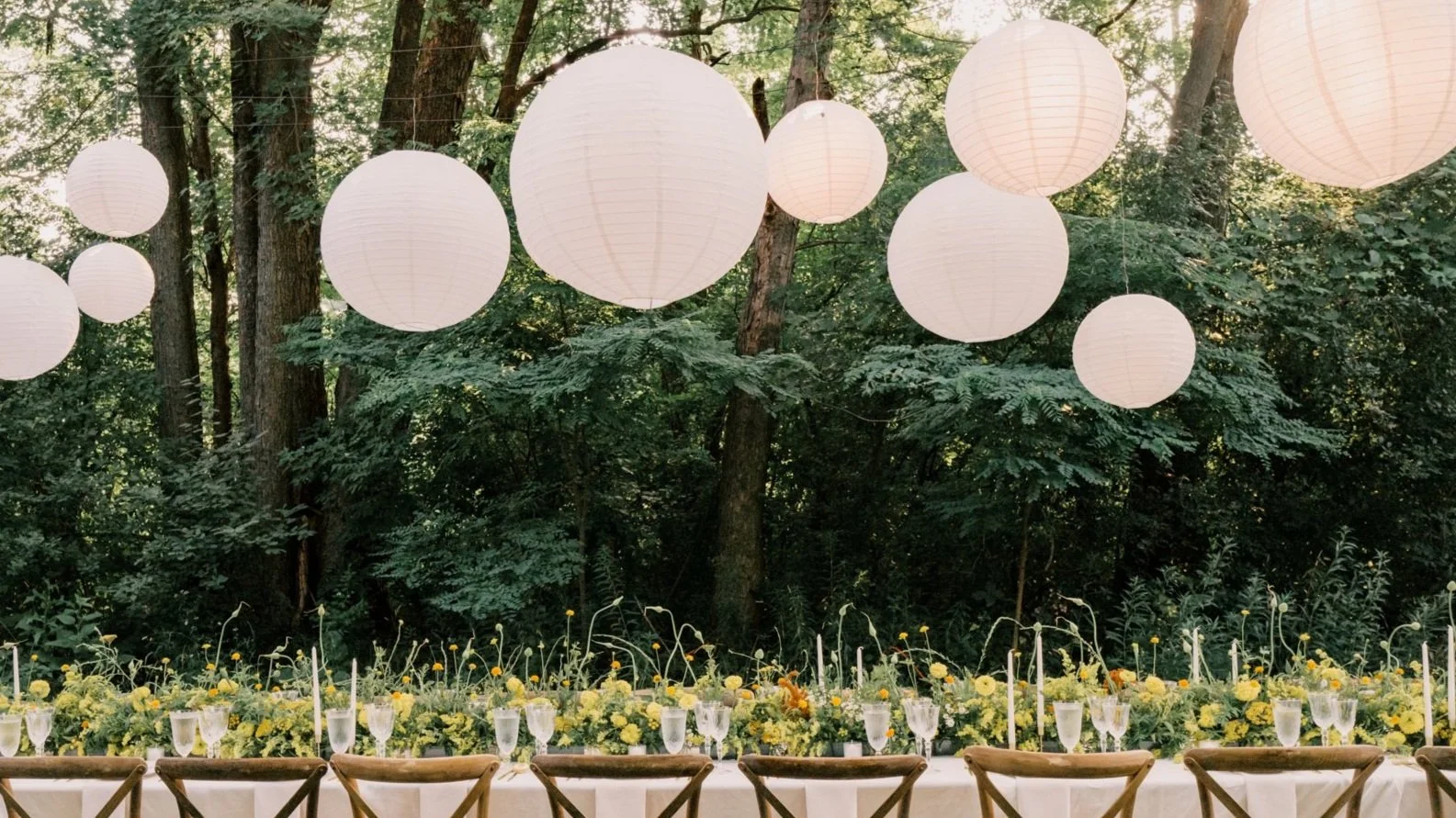
by Daniel Kim
2. Social Media Is Warping Wedding Expectations
I've worked in weddings for over a decade, and I've watched Instagram and Pinterest transform how couples plan weddings. Unfortunately, not always for the better.
Most weddings showcased on Instagram, TikTok, and Pinterest are either ultra-luxury events with budgets exceeding half a million dollars, or influencer weddings where vendors traded services for content. These aren't representative of what the average couple can realistically afford, but when that's all you see, it becomes your baseline expectation.
Couples now arrive at the planning table expecting editorial-level design on mid-tier budgets, not because they're unreasonable, but because they've been algorithmically fed content that distorts reality.
Social platforms like Reddit and TikTok have also become go-to sources for wedding advice, but much of it is anecdotal, biased, or flat-out incorrect. With AI now scraping these platforms and presenting user-generated opinions as fact, misinformation spreads faster than ever.
Wedding vendors aren't innocent here either. Many only share their most aspirational work — or worse, content from styled shoots that aren't real weddings at all. When your portfolio only shows $50,000 floral installations but you accept $8,000 budgets, you're contributing to the confusion.
What This Means for Wedding Florists
Show the full range of your work. If you design across multiple price points, make that clear. If you only take luxury weddings, own that positioning and don't apologize for it. Authenticity builds the right client attraction, not aspiration alone.
3. The Luxury Wedding Market Is Overcrowded
Let me be direct: anyone who tells you 'there's enough work to go around' in the luxury wedding space is not being honest.
There are only so many high-budget weddings each year, and there are more talented planners, designers, florists, photographers, and videographers competing for them than ever before. The top tier of the market is saturated, and everyone wants access to those clients.
This oversaturation leads to undercutting. Vendors who desperately want a luxury portfolio piece will discount their rates to secure the booking, which then lowers the perceived value across the board. It creates a race to the bottom that makes pricing even more confusing for couples and devalues the work of established professionals.
What This Means for Wedding Florists
Hold your rates. The minute you start discounting to compete, you've lost your positioning. Your ideal clients aren't price shopping — they're value shopping. Make sure your portfolio, process, and client experience justify your investment, and the right couples will choose you without needing a discount.
4. Wedding Vendor Pricing Is Wildly Inconsistent
Imagine you're a couple shopping for a wedding photographer. You send inquiries to four professionals and receive quotes of $4,000, $18,000, $35,000, and $65,000 — all for the same wedding day, all calling themselves professional wedding photographers.
How would you make sense of that?
You couldn't. So you'd assume one of two things: either some vendors are wildly overcharging, or pricing is completely arbitrary. And honestly, it's hard to blame couples for drawing that conclusion.
The reality is that pricing varies dramatically because experience, demand, portfolio quality, and market positioning differ from vendor to vendor. A photographer just starting out and a photographer with 15 years of editorial experience should not cost the same. But when oversaturation pushes newer vendors to drop prices just to stay booked, it muddies the entire landscape.
Couples don't have the industry knowledge to understand these distinctions, so pricing feels random.
What This Means for Wedding Florists
Your pricing should reflect your expertise, not your desperation. If you're charging luxury rates, your client experience, sourcing standards, and design execution need to support that number. If a couple doesn't understand why your florals cost $15,000, it's your job to educate them — not drop your price to match a competitor working at a completely different level.
by Golden Hours
5. Wedding Vendor Egos Often Overshadow the Guest Experience
Every wedding vendor believes their discipline is the most important. The stationer thinks it's the paper. The florist thinks it's the flowers. The photographer thinks it's the photos. And very few — aside from truly excellent planners — stop to consider the actual guest experience.
This isn't just an attitude problem. It shows up in real, tangible ways that affect the event. Three photographers and three videographers crowding the dance floor during a first dance so guests can't see. A planner so focused on aesthetics that they ignore whether the tent is the right temperature. Vendors prioritizing their portfolios over the comfort and enjoyment of the people actually attending the wedding.
Couples hiring vendors for the first time have no way of knowing whether a vendor truly prioritizes guest experience or just their own creative vision. And when they don't, it leaves everyone with a bad taste.
What This Means for Wedding Florists
Wedding floral design is a service industry. Your job is to create beauty in service of the couple's vision and their guests' experience — not to impose your aesthetic at the expense of everything else. The best luxury florists understand this. They design with intention, collaborate with other vendors, and never lose sight of the fact that the wedding isn't about them.

by Daniel Kim
6. There's No Barrier to Entry for Wedding Vendors
Anyone can wake up tomorrow, buy a domain, and call themselves a wedding planner, florist, or photographer. No licensing. No certification. No test. Nothing.
This lack of regulation means the industry is flooded with creatives who are talented but lack business infrastructure. They don't respond to inquiries promptly. They don't have standardized contracts. They adjust pricing inconsistently. They miss deadlines. They operate without the systems that protect both themselves and their clients.
When a couple hires a wedding vendor, they expect professionalism: fast communication, clear processes, reliable timelines, and consistent quality. But many vendors — especially newer ones — simply don't have those foundations in place yet. Couples have no way of knowing this upfront, so they end up disappointed, frustrated, or worse.
This hurts everyone. It damages couples' trust in the industry. And it gives serious, professional vendors a bad name by association.
What This Means for Wedding Florists
If you're going to call yourself a luxury wedding florist, act like one. That means having systems in place: clear inquiry-to-booking workflows, detailed contracts, project management tools, reliable timelines, and professional communication standards. The creative work is only half the job. The business infrastructure is what separates hobbyists from professionals.
7. There's No Reliable Tech or Media Platform Helping Couples Plan Weddings
The wedding industry generates over $65 billion annually, yet there hasn't been a truly innovative tech or media solution for couples in years.
Most wedding planning platforms and vendor marketplaces simply don't work well. Couples struggle to track budgets, compare vendors, manage timelines, and keep everything organized in one place — especially for weddings under $150,000, which represents the majority of the market.
What This Means for Wedding Florists
Until better platforms exist, your website and inquiry process need to do the heavy lifting. Make it easy for couples to understand your services, see your pricing structure (or starting rates), view real wedding work, and submit an inquiry without friction. The easier you make it, the more qualified leads you'll get.
Final Thoughts
If you're a couple planning a wedding, I hope this gives you some clarity. The confusion you're feeling isn't your fault. The industry has structural issues that make the process harder than it should be, and transparency is often the first casualty.
If you're a wedding vendor, this is a call to do better. Pricing transparency, realistic portfolios, professional systems, and genuine service mentality — these aren't optional. They're the baseline.
The wedding industry won't improve unless we're willing to name the problems and commit to solving them. Honesty is the first step.
—
Three Swords Floral Co. is a luxury wedding florist based in San Diego, California. We design editorial, elevated florals for weddings and events throughout Southern California and beyond. Our work is rooted in artistry, sustainability, and an obsessive attention to detail.
Starting investment for full-service wedding florals: $5,000. Inquiries for 2026 and 2027 are open.